Column · @damiendhks566
What Causes Roof Stains to Return After a Deep Clean?
You invest in a professional roof clean, and for a few weeks the difference is striking. Then, sometimes within months, dark streaks and patches start creeping back. For Sunshine Coast homeowners, this is a common and frustrating experience. The good news is that it https://louisjeui833.alderbrief.com/posts/how-soft-wash-technology-protects-fragile-roof-tiles is rarely random. Stains return for specific, identifiable reasons, and understanding them is the first step to keeping your roof cleaner for far longer.
Why the Sunshine Coast Is a Hotspot for Roof Staining
Our subtropical climate is close to ideal for biological growth. Warm temperatures, high humidity, regular summer rainfall, and coastal air combine to create conditions where algae, lichen, moss, and mould thrive on roofing surfaces. From Maroochydore to Noosa, Caloundra to the hinterland, roofs spend a large portion of the year damp, warm, and exposed to airborne spores.
Most of the dark streaking seen on tiled and metal roofs here is caused by Gloeocapsa magma, a cyanobacteria often called roof algae. It spreads on the wind, lands on roof surfaces, and begins feeding on moisture and minerals. A cleaned roof is not immune. It is simply a blank surface waiting to be recolonised.
The Main Reasons Stains Come Back
1. The Growth Was Not Fully Killed at the Root
One of the most common causes of fast regrowth is a clean that removes the visible surface layer without treating what lies beneath. Moss rhizoids and lichen attach into the porous surface of concrete and terracotta tiles. High-pressure washing alone can blast away the top growth, but leftover spores and root-like structures remain embedded and begin growing again as soon as conditions allow.
A proper deep clean uses a biocide or fungicidal treatment that penetrates and kills organisms at the source. Without it, the roof looks clean but remains biologically active.
2. No Protective Treatment or Sealant Was Applied
Cleaning removes growth, but it does not prevent new growth. Without a preventative treatment, spores landing on the roof the next day find the same damp, nutrient-rich surface. An anti-fungal or anti-algae treatment applied after cleaning slows recolonisation significantly. Some roofs also benefit from a quality sealer or coating, which reduces surface porosity and moisture retention.
3. Poor Cleaning Technique Has Damaged the Surface
Overly aggressive pressure washing can strip the protective glaze or coating from tiles, leaving a rougher, more porous surface. Rough surfaces hold moisture and trap spores far more effectively than smooth ones. In this case, the cleaning itself accelerates the return of staining. This is why soft washing, which uses lower pressure combined with targeted treatment solutions, is widely preferred by reputable roof cleaners.
4. Shade and Overhanging Trees
Roof sections that stay shaded take much longer to dry after rain or morning dew. Overhanging branches also drop leaves, seeds, pollen, and organic debris that feed algae and moss. Sunshine Coast properties with established trees, such as figs, eucalypts, and palms, often see regrowth first on the southern and shaded faces of the roof, regardless of how thoroughly it was cleaned.
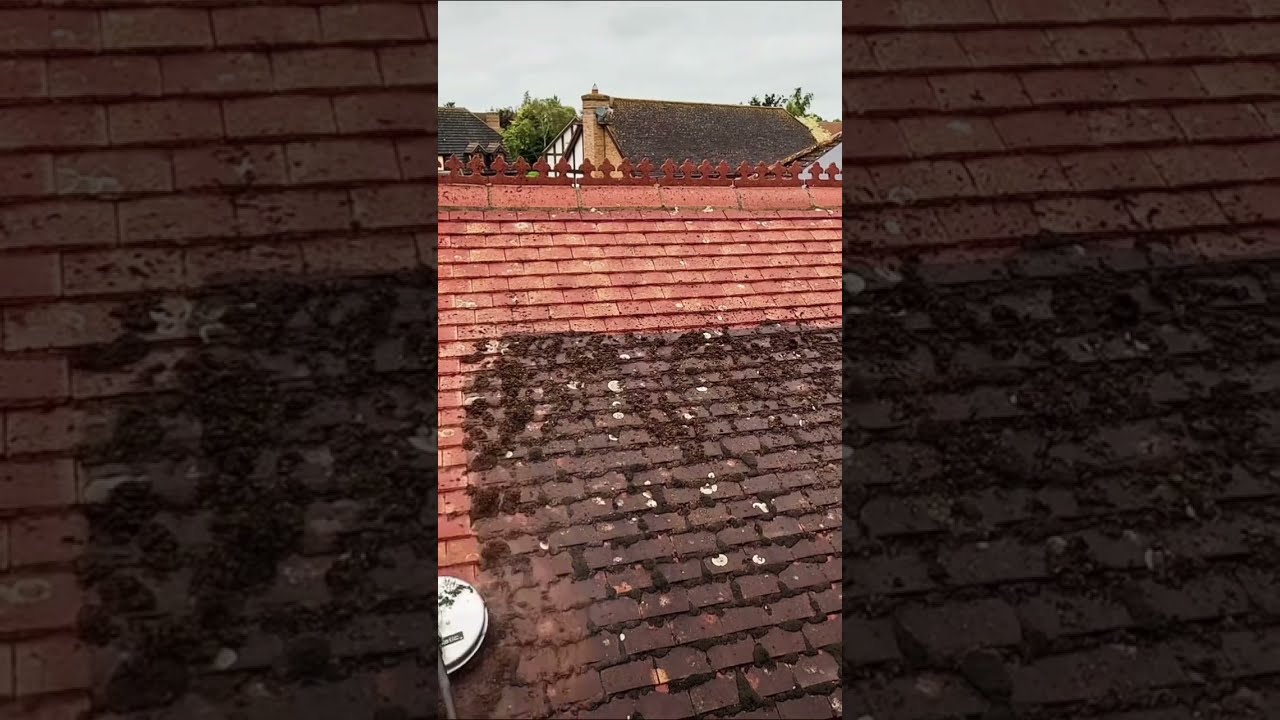
5. Trapped Moisture and Poor Drainage
Blocked or sagging gutters, flat sections, low-pitch roofs, and areas where water pools all keep surfaces wet. Debris building up in valleys and behind chimneys or skylights holds moisture against the roof. Wherever water lingers, stains return first.
6. Environmental Conditions Right After the Clean
A wet season following a clean can bring rapid regrowth, especially if no preventative treatment was applied. High humidity and frequent storms deliver a steady supply of spores and moisture. Coastal properties also deal with salt-laden air, which can leave deposits that hold moisture and contribute to surface discolouration.
7. Misidentified Stains
Not every stain is biological. Some discolouration comes from other sources, and these will persist or reappear if the underlying cause is not addressed:
- Rust staining from corroding fasteners, flashings, or metal debris on the roof
- Efflorescence on concrete tiles, where salts migrate to the surface
- Zinc or copper runoff from nearby metal components, which can actually inhibit growth but cause other marks
- Pollution and dust deposits that bond to the surface over time
- Tile ageing and pigment fading, which no cleaning can reverse
How Quickly Should Stains Return?
Timeframes vary with roof material, orientation, tree cover, and how the clean was done. As a general guide, a roof cleaned and treated correctly can stay visibly clean for several years in many Sunshine Coast conditions. A roof that is only pressure washed, with no treatment, may show noticeable regrowth within 6 to 12 months, and sometimes sooner in humid, shaded locations. If staining reappears within a few weeks, it usually points to incomplete treatment, a different type of stain, or an ongoing moisture problem.
How to Stop Roof Stains Returning
Lasting results come from combining the right cleaning method with ongoing prevention. Consider these steps:
- Choose a soft wash with a biocide treatment so growth is killed at the root, not just blasted off.
- Ask about a post-clean preventative treatment designed to slow algae, mould, and lichen regrowth.
- Trim back overhanging branches to increase sunlight and airflow and reduce debris.
- Clear gutters and valleys regularly, especially after storm season, to prevent moisture build-up.
- Repair damaged or cracked tiles and flashings so water is not retained or leaking in.
- Consider sealing or recoating suitable roofs once they are properly cleaned and in sound condition.
- Schedule periodic inspections and maintenance cleans, as light treatment is cheaper and gentler than waiting for heavy buildup.
Questions to Ask Your Roof Cleaner
Not all roof cleaning services deliver the same outcome. Before booking, ask what method they use, whether a biocide is applied, whether a preventative treatment is included, and what they recommend for your roof type. A reputable local provider will understand Sunshine Coast conditions, explain how they protect your tiles or metal sheeting, and be upfront about realistic results. Be cautious of anyone who relies only on high-pressure blasting or guarantees stains will never return.
Why Recurring Stains Matter Beyond Appearance
Persistent growth is more than a cosmetic issue. Moss and lichen can lift tiles, clog gutters, and hold moisture against roofing materials, which may shorten their lifespan. A dirty roof can also absorb more heat, and heavy staining can detract from your home’s curb appeal and presentation if you plan to sell. Addressing the cause, rather than repeatedly treating the symptom, protects your investment.
The Bottom Line
Roof stains return after a deep clean because the Sunshine Coast climate constantly supplies spores and moisture, and because many cleans do not fully kill the growth, protect the surface, or address underlying issues like shade, debris, and drainage. By choosing a thorough soft wash and treatment process, managing trees and gutters, and keeping up with periodic maintenance, you can keep your roof looking clean and performing well for much longer. If your roof is already showing regrowth, a professional inspection can pinpoint exactly what is driving it and the most effective way to stop it coming back.
Sunshine Coast Roof Cleaning Pros
Unit 2/47 Enterprise St, Kunda Park QLD 4556, Australia
(07) 4158 6008